Design Engineering
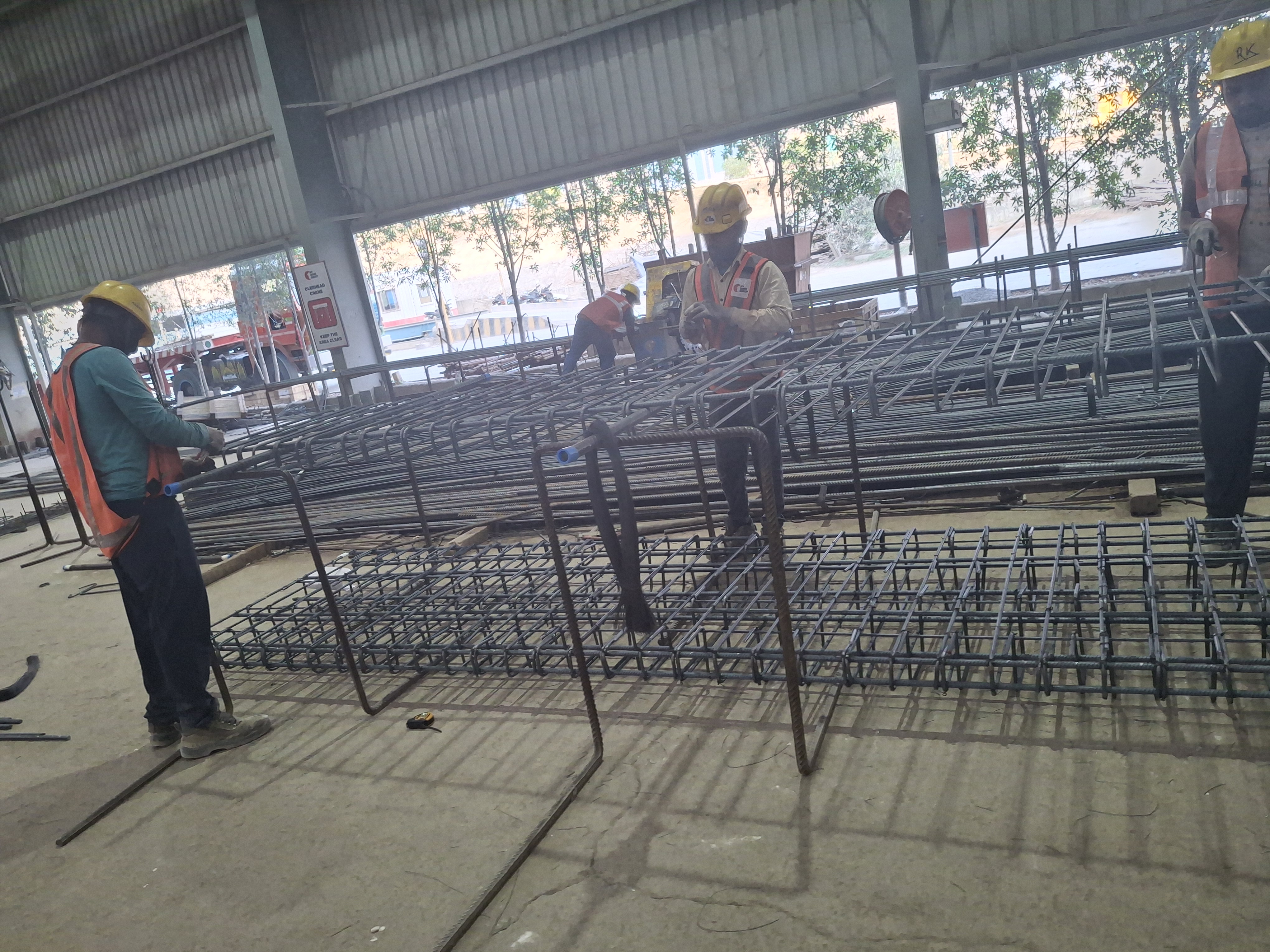
Definition
Design engineering is the discipline of applying engineering principles to create, develop, and refine products,
systems, or structures. It focuses on transforming ideas into practical designs that meet functional, aesthetic,
and safety requirements. A design engineer works at the intersection of creativity and technical expertise,
ensuring that concepts can be manufactured or constructed efficiently.
Objectives
The main objectives of design engineering are:
Innovation: Developing new solutions, products, or systems to meet emerging needs.
Functionality: Ensuring designs perform their intended purpose effectively.
Safety: Incorporating standards and regulations to protect users and the environment.
Efficiency: Optimizing materials, processes, and costs for sustainable outcomes.
Quality: Delivering designs that meet performance and durability standards.
Adaptability: Creating designs that can evolve with technology and user demands.
Role in Workplace
Design engineers play a crucial role in the workplace by:
Concept Development: Turning ideas into detailed plans and models.
Technical Analysis: Using tools like CAD software, simulations, and calculations to validate designs.
Collaboration: Working with project managers, site engineers, and manufacturers to align design with execution.
Documentation: Preparing drawings, specifications, and reports for approval and implementation.
Problem Solving: Addressing design challenges, material limitations, or performance issues.
Continuous Improvement: Updating designs based on feedback, testing, and evolving standards.
Sustainability: Integrating eco‑friendly practices and energy‑efficient solutions into designs.